5 books every student should read for skill building & growth
Want to determine the top books recommended for students in India looking to enrich their worldview, skillsets, careers and lives beyond academics? As leading educators, we researched the landscape of impactful reads acclaimed for sparking transformation for young readers based on criteria like author credibility, content quality, uniqueness and more.
best books to read for students in India equip turnkey frameworks toward self-growth, providing brain training for success with powerful storytelling that inspires. Our hand-picked line-up simplifies life wisdom spanning motivation, productivity, mental health, career clarity and balanced living tailored for students managing hectic schedules. best books promise resonant learning for readers through tried-and-tested combination of anecdotal case studies, analytical perspectives, and engaging narrative formats employers seek critical thinkers to demonstrate.
1. Learning How to Fly: Life Lessons for the Youth
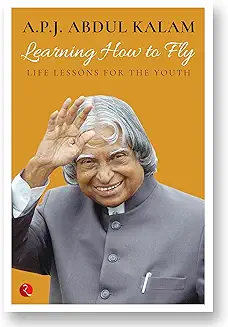
This book offers valuable life lessons and advice for young people navigating their way to adulthood. With insights on topics like relationships, self-confidence, dealing with failure, and achieving one’s dreams, it serves as an inspirational guidebook for students.
Key Features
- Actionable tips and strategies for personal growth
- Relatable stories and examples
- Advice on education, career, and life purpose
- Interactive exercises and prompts.
2. The Power of Your Subconscious Mind
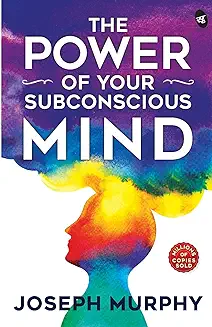
This classic self-help book focuses on harnessing the power of one’s subconscious mind to overcome obstacles and achieve success. With insights into how our beliefs and thoughts shape our reality, it offers students simple techniques to program their subconscious to work for them.
Key Features
- Easy to understand explanations of the subconscious mind’s workings
- Practical tips and strategies to rewire thinking patterns
- Real-world examples of the mind’s power
3.Bhagvad Gita – The Story Way for Students & Parents
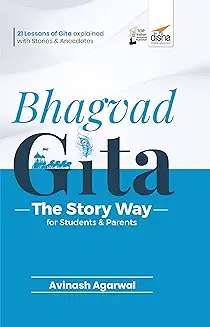 This book presents the Bhagavad Gita’s 6teachings through a simple story in plain English. Following protagonists Kabeer and Nagaraj on their quest for wisdom, it captures ethical dilemmas, conversations with teachers, and revelations that the friends gain— encapsulating the essence of the Gita.
Key Features
- Simplified summary of the Gita’s core teachings
- Narrative format, engaging characters
- Thought-provoking dialogue and questions
- Vocabulary guide explaining difficult words.
4. You Can
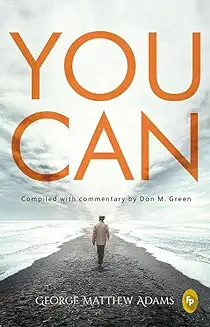 This motivational book urges readers to gain control of outcomes in their professional and personal lives through positive thinking and focused execution. Tracing the author’s career from orphan boy to leading industrialist, it highlights key mental frameworks used to achieve seemingly impossible dreams.
 Key Features
- Inspiring case study on actualizing potential
- Principles and tools for mental conditioning
- Tips to conquer self-doubt and manage stress
- Detailed guide on goal setting.
5. Secrets Smart Students DonÆt Tell You
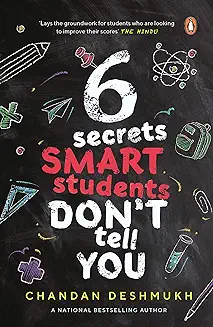 This book reveals insider information on habits, mindsets, and study methods used by exceptional students to excel academically. Covering time management, reading strategies, exam preparation, and more, it lets average students in on secrets that can help them compete with top scorers.
Key Features
- Actionable study hacks and productivity tips
- Effective memorization and test-taking tactics
- Guidelines on managing school-life balance
- Psychology behind students’ underperformance.
How Reading Benefits Students
Reading has immense benefits beyond academics and exams. Books enrich students’ perspectives, expand thinking horizons, bolster self-confidence and social skills, reduce stress, and equip life skills.
Strengthens Imagination & Creativity
Books transport readers into story worlds, building visualization ability. Fiction also promotes divergent thinking as readers envision narratives beyond the text. This boosts creativity.
Improves Concentration & Memory
Following story threads and absorbing information without visual stimuli requires excellent focus. This mentally challenging exercise bolsters attention spans, comprehension, and information processing.
Teaches Vocabulary & Communication
Books introduce unfamiliar words and prose styles. This vocabulary gets ingrained for students to use in self-expression. Reading diversity strengthens verbal and written communication.
Boosts Analytical Ability
Non-fiction books let students examine claims, interpret data, and synthesize concepts. This analytical approach becomes a mental reflex, powering critical evaluation of ideas they encounter.
Expands General Knowledge
Reading newspapers, magazines, biographies, ethnic literature etc. widens exposure to current affairs, global cultures, advancements and more. This background knowledge aids links between ideas.
Reduces Stress
The immersive escapism of books transports readers away from life’s worries. This mental break relieves tension, anxiety and fatigue, refreshing the mind. Reading before bed is especially relaxing.
Builds Empathy & Emotional Intelligence
Literary fiction allows students to inhabit perspectives and experiences of people distinct from themselves. This exposure to diverse protagonists shapes compassion and emotional intuition.
Inspires Personal Growth
Motivational books with stories overcoming adversity give students a template for rising after failures. Books also teach discipline, integrity, patience and other virtues for character development.
Fuels Passions & Hobbies
Texts exploring students’ interests, from technology histories to biographies of sportspersons/artists, deepen their connection to pursuits beyond academics. This helps balance student life.
Reading is a lifelong skill that unlocks immense personal and professional value. Among its benefits, it boosts memory, focus, knowledge, communication skills, stress relief and interpersonal abilities. Books profoundly shape students’ worldviews and future prospects. Making reading a daily habit early on creates a tremendous foundation for growth.
Different Types of Books for Students
Academic & Competitive Exam Prep Books
Textbooks for school curriculum, entrance test guides, GK & aptitude test books help strengthen students’ grasp of academic subjects and performance in exams.
Skill-Building Books
Books on topics like writing better, critical thinking, public speaking etc. teach students transferable skills to excel in education and career.
Health, Growth & Lifestyle Books
Reads on exercise, nutrition, mental health, motivation, self-confidence etc. give students a balanced approach toward self-improvement.
Literary Fiction & Non-Fiction
Novels, short stories, biographies, history provide students cultural literacy, emotional intelligence, and reading enjoyment amid intense academics.
Guide on Usage, Maintenance & Care
Handle Books with Care
Avoid forcing spines, rubbing/scratching pages, folding corners, getting pages wet to prevent damage. Return books properly without jamming them tight on shelves.
Limit Exposure to Light & Moisture
Don’t let books get excess sunlight, heat or humidity which fade covers, make pages brittle or moldy. Store appropriately indoors.
Cover Books Using Plastic or Paper
Apply removable covers or wrappings like plastic film or brown paper to maintain good condition. Avoid using non-removable adhesive materials directly.
Do Not Write or Highlight Excessively
If scribbling notes or highlighting, do it gently without imprinting pages to preserve book condition and re-sale value. Use post-its instead.
Turn Pages Gently
Flip pages delicately from the corner without ripping them. Avoid licking fingers excessively for grip or eating/drinking over books which stain.


Comments
Post a Comment